§ 91.411 Altimeter system and altitude reporting equipment tests and inspections.
This paragraph sets when the whole rule applies: an airplane or helicopter operated in controlled airspace under IFR. An airplane flown only under VFR does not need this test. Paragraphs (1), (2) and (3) are the three things that must be true before that flight.
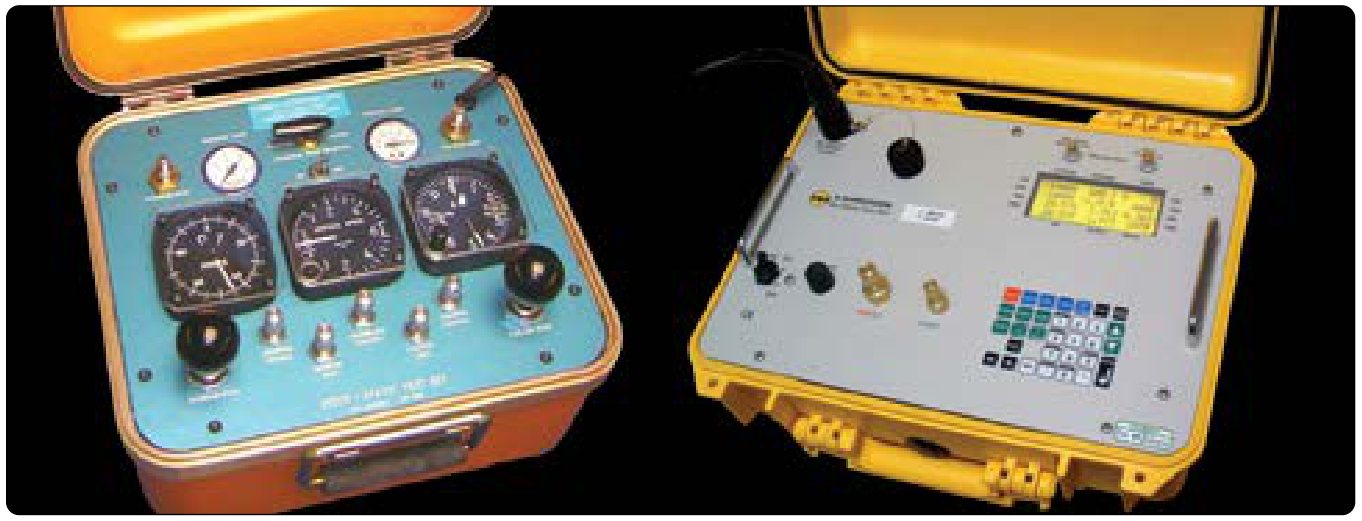
This is the 24-month test. Each static pressure system, each altimeter and each automatic pressure altitude reporting system (the altitude encoder) must have been tested and inspected within the preceding 24 calendar months. The paragraph names Appendices E and F of Part 43; the altimeter system test itself is laid out in Appendix E.
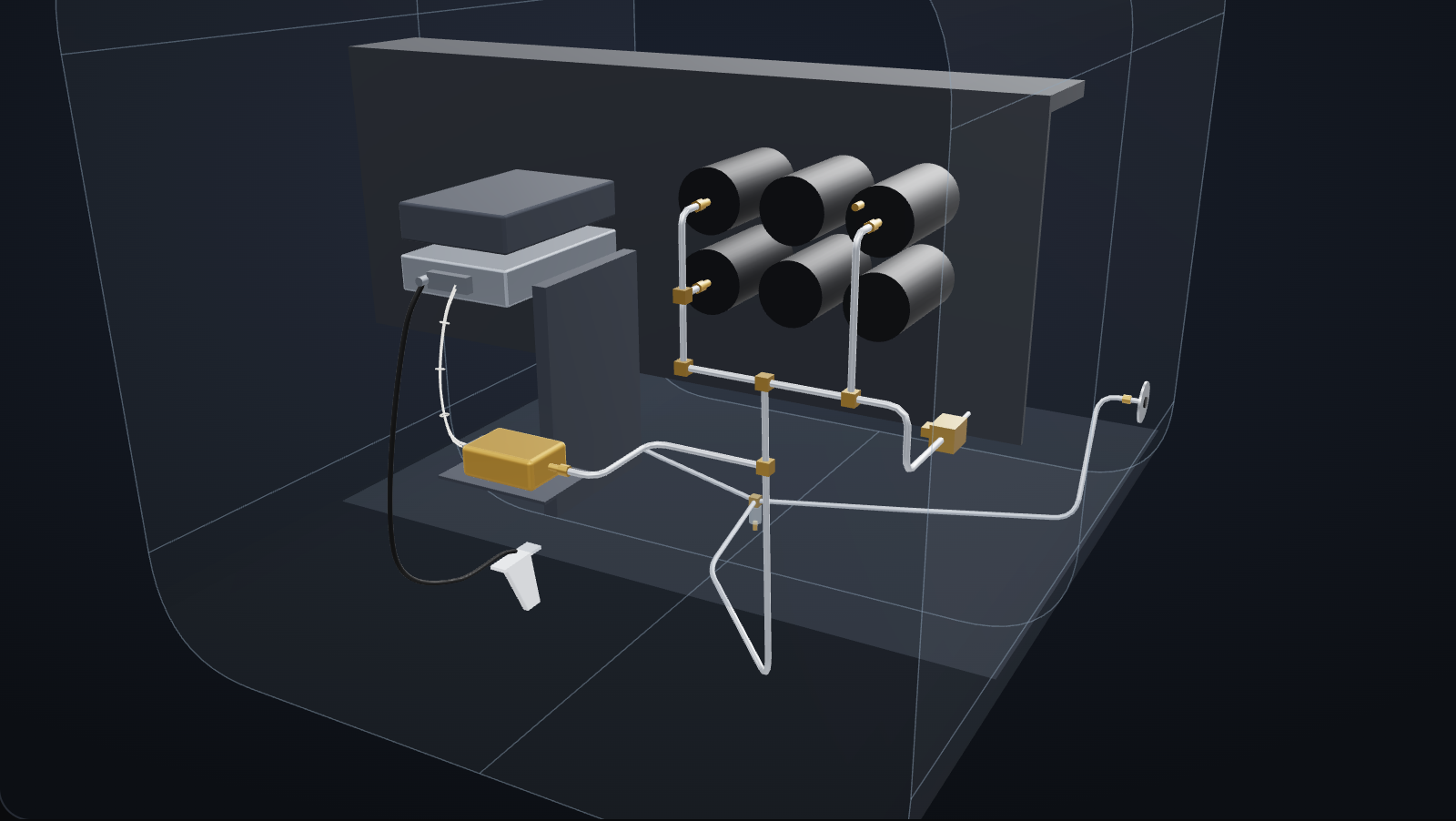
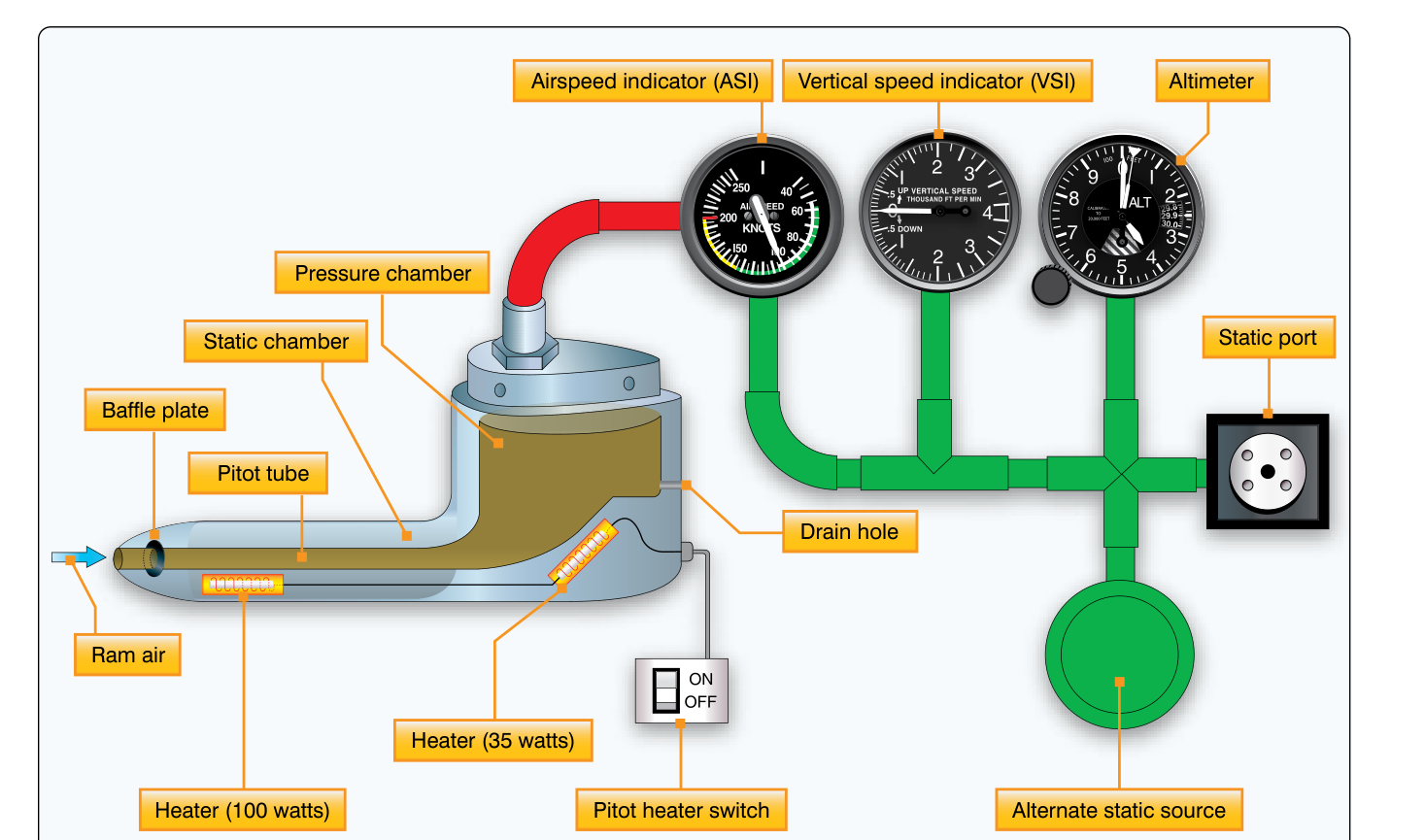
Any time the static system is opened and closed, for example to replace an instrument or a fitting, the static system is tested and inspected again to Appendix E, paragraph (a), before the next IFR flight in controlled airspace. Using the system drain and the alternate static pressure valve are the two exceptions.
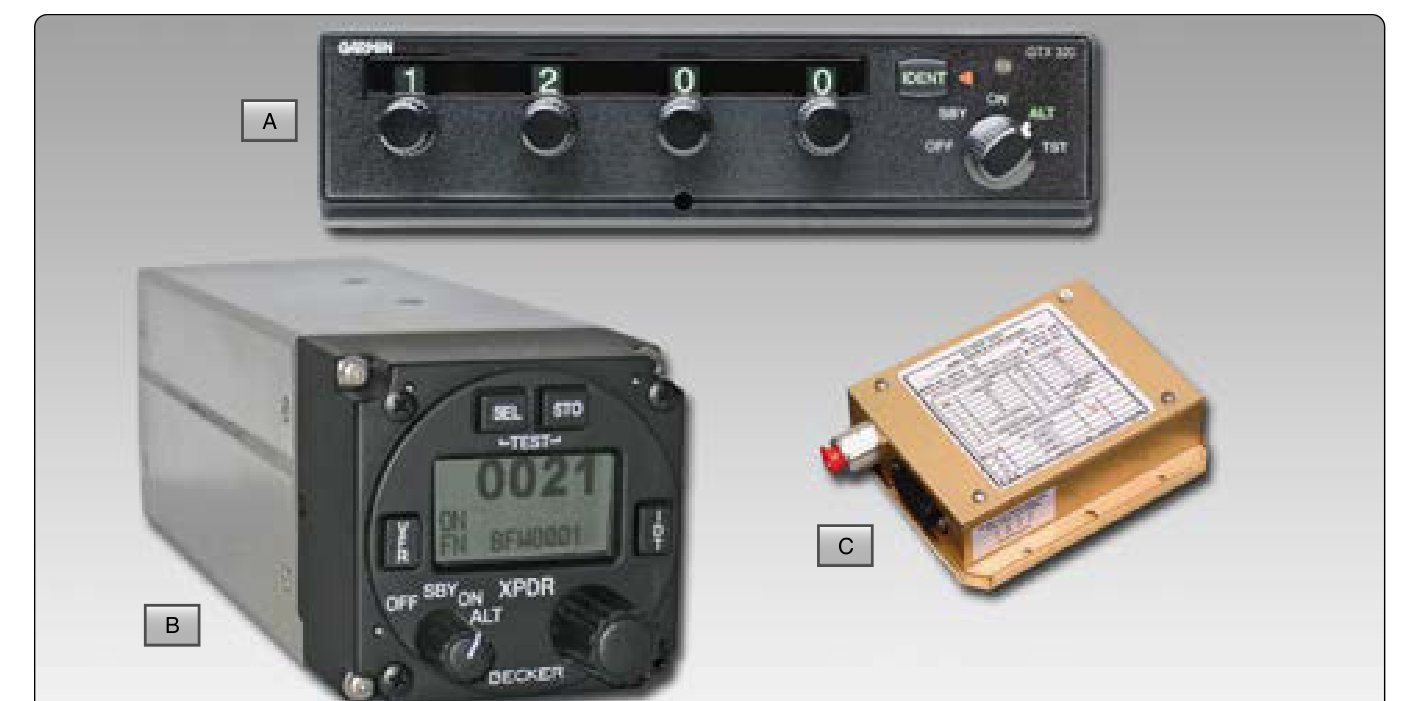
After an encoder is installed or worked on in a way that could cause a data correspondence error, the encoder, the altimeters and the transponder are tested together to Appendix E, paragraph (c), the correspondence test. A data correspondence error is a difference between the altitude the transponder sends and the altitude the altimeter shows.
This paragraph begins the list of who may conduct the tests in paragraph (a). Only the persons in (1), (2) and (3) may do them.
The company that built the airplane or helicopter may test it.
A repair station certificated under 14 CFR Part 145 may do the tests if it has the equipment the work needs (properly equipped) and holds one of the four ratings listed under this paragraph.
An instrument rating, Class I, covers mechanical instruments such as altimeters and airspeed indicators. 14 CFR 145.59(e)(1) writes the same rating as Class 1.
A limited instrument rating covers only the makes and models of instruments the repair station is rated for. The appliance here is the instrument being tested, such as the altimeter or the encoder.
A limited rating for the test itself lets a repair station perform this test without holding the full instrument rating.
A repair station with an airframe rating for the airplane or helicopter being tested may do the whole 91.411 test. This is a repair station rating, not a mechanic’s rating.
A mechanic with an airframe rating may do the static pressure system tests and inspections, Appendix E, paragraph (a), and nothing more. The altimeter test and the correspondence test go to the persons in (1) and (2).
An altimeter or encoder approved under a Technical Standard Order (TSO), the FAA’s minimum performance standard for a part, counts as tested and inspected on the date it was made. Installing it still opens the static system, so the static system test in (a)(2) still follows, and a new encoder also needs the correspondence test in (a)(3).
Under IFR in controlled airspace, the airplane may not fly above the highest altitude to which all of its altimeters and its encoder were tested. That altitude is marked on the altimeter and entered in the record (Appendix E, paragraph (d)).
[Docket 18334, 54 FR 34308, Aug. 18, 1989, as amended by Amdt. 91-269, 66 FR 41116, Aug. 6, 2001; 72 FR 7739, Feb. 20, 2007]